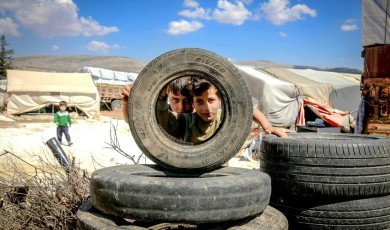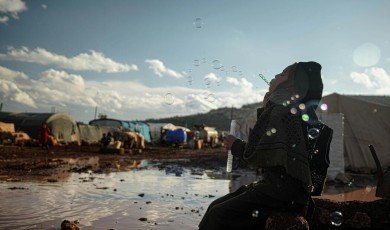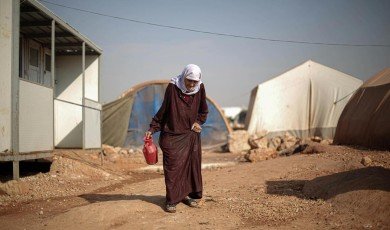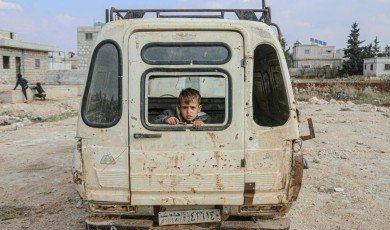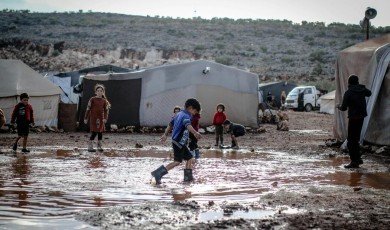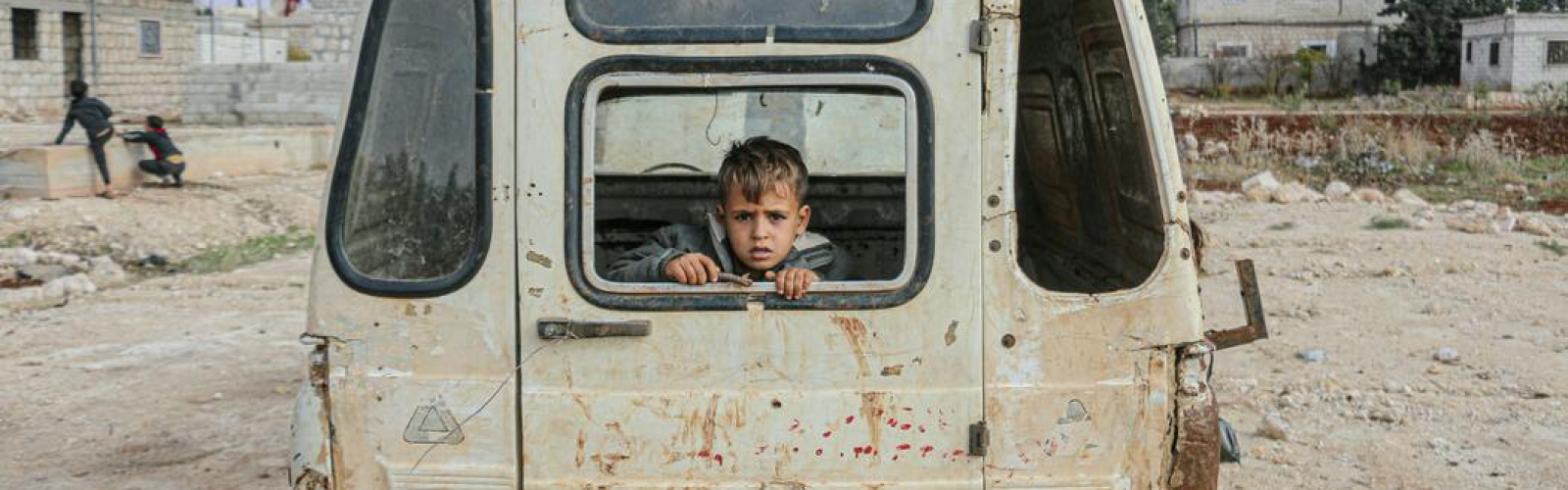

Stories of people forced to flee war, persecution, or climate disasters often reach global audiences through reports, essays, memoirs, NGO case studies, and social media posts. Yet between the chaos of displacement and the complexity of international law, the real experiences of refugees are frequently misunderstood or reduced to statistics. This is where careful editing and meticulous proofreading become powerful tools: they ensure that every testimony, research paper, fundraising appeal, and advocacy report is accurate, respectful, and compelling enough to inspire concrete action.
1. Turning Raw Testimonies into Clear, Trustworthy Narratives
Many refugee stories begin as hurried notes, recorded interviews, or translated conversations captured in challenging circumstances. Without clear structure and correction, important details can be lost or misinterpreted. Using professional editing services helps transform scattered or fragmented accounts into coherent narratives that preserve the speaker’s voice while making their experience understandable to global readers. Editors clarify timelines, smooth out language issues, and highlight crucial facts so that each story is not only moving but also accurate and verifiable.
This process respects the dignity of the storyteller. Instead of simplifying or sensationalizing their experiences, careful revision helps maintain nuance—showing refugees not as anonymous masses, but as individuals with complex histories, emotions, and aspirations. For researchers, NGOs, and journalists, such clarity is essential to build trust with audiences, donors, and policymakers who may never meet the people behind the stories.
2. Preserving Accuracy in Multilingual Contexts
Refugee experiences often pass through several languages before they reach the public. An interview might be conducted in Arabic, translated into French, summarized in English, and then quoted by media outlets worldwide. At every stage of this chain, errors and ambiguities can slip in. Editing and proofreading provide a crucial safeguard, catching mistranslations, inconsistent terminology, and cultural nuances that might otherwise distort meaning.
Skilled editors working with multilingual texts compare versions, question unclear phrases, and standardize key terms such as legal statuses, locations, and dates. This linguistic precision prevents misunderstandings that could affect asylum applications, legal appeals, or public perception. When terminology is handled consistently and sensitively, the resulting documents better reflect the lived realities they describe.
3. Making Complex Legal and Policy Content Accessible
The systems surrounding asylum, humanitarian visas, resettlement, and integration are deeply technical. Legal briefs, policy reports, and NGO position papers are often filled with jargon, acronyms, and procedural language that can intimidate non-specialist readers. Editing and proofreading play a key role in translating that complexity into clear and accessible content.
Effective editors reorganize dense paragraphs, clarify legal references, and eliminate unnecessary jargon. They ensure that explanations of rights, obligations, and procedures are accurate while still understandable to refugees, advocates, journalists, and concerned citizens. When information is easier to grasp, stakeholders can make better decisions, from applying for asylum to supporting legislative reforms that affect displaced communities.
4. Strengthening Credibility for Advocacy and Fundraising
Advocacy campaigns and fundraising initiatives rely heavily on reports, brochures, websites, and social media posts to convey urgent needs. Spelling mistakes, inconsistencies, or unclear data can weaken credibility at precisely the moment when trust is needed most. Editing and proofreading ensure that the presentation of information matches the seriousness of the situation being described.
By refining key messages, checking facts, and tightening arguments, editors help organizations communicate more persuasively. Well-polished materials are more likely to be shared, quoted, and referenced by journalists, influencers, and policymakers. In practical terms, this can translate into greater public support, more donations, and stronger backing for programs that make a difference in refugees’ lives.
5. Protecting Identities While Keeping Stories Authentic
Many refugees face ongoing risks: retaliation from persecutors, stigma in host communities, or legal uncertainties. Yet their testimonies are essential for building awareness and pushing for systemic change. Editing and proofreading are vital for balancing the need to protect individuals with the need to preserve the truth of their experiences.
Editors can anonymize details—such as names, precise locations, and identifying characteristics—without diluting the emotional and factual impact of the story. They verify that pseudonyms are used consistently, ensure sensitive information is handled responsibly, and confirm that consent procedures are clearly explained. This careful approach allows real experiences to reach the public in ways that uphold both safety and integrity.
6. Highlighting Agency Instead of Victimhood
Unedited or poorly constructed narratives often fall into a single pattern: portraying refugees as passive victims. This narrow framing hides their resilience, skills, and contributions to their new communities. Through mindful editing, stories can highlight agency, showing people making decisions, supporting families, learning new languages, building businesses, and engaging in civic life.
Editors help balance descriptions of trauma with moments of hope, creativity, and strength. They question stereotypes, remove patronizing language, and ensure that quotations and anecdotes reflect a range of perspectives. The result is a fuller, more human picture that encourages empathy rooted in respect rather than pity.
7. Enhancing Research and Data on Forced Migration
Academics, think tanks, and NGOs generate large volumes of data on displacement patterns, integration outcomes, and humanitarian responses. When this material is poorly edited, valuable insights remain hidden behind unclear graphs, inconsistent terminology, or confusing structure. Editing and proofreading are essential for transforming raw data into reliable knowledge that can inform better policies.
Editors collaborate with researchers to clarify methodology, present statistics accurately, and ensure that conclusions are supported by evidence. They check consistency in numbers, units, and references, reducing the risk of misinterpretation. Clear, well-edited research can then guide lawmakers, humanitarian planners, and international agencies toward solutions that align with the realities refugees actually face.
Conclusion: Clear Words, Clearer Understanding
Behind every report, article, or testimony about displacement is a real person whose experiences deserve to be understood, not merely skimmed. Editing and proofreading bridge the gap between the chaos of forced migration and the structured language of public communication. By refining stories, safeguarding accuracy, and elevating marginalized voices, these processes help audiences grasp both the hardship and the humanity at the heart of refugee realities.
For organizations, journalists, researchers, and advocates committed to responsible storytelling, investing in rigorous revision is more than a technical step. It is an ethical choice that can shape how societies respond to people seeking safety and a chance to rebuild their lives. Clear, precise, and respectful language does not just describe those lives—it helps create the conditions in which they can be lived with dignity.